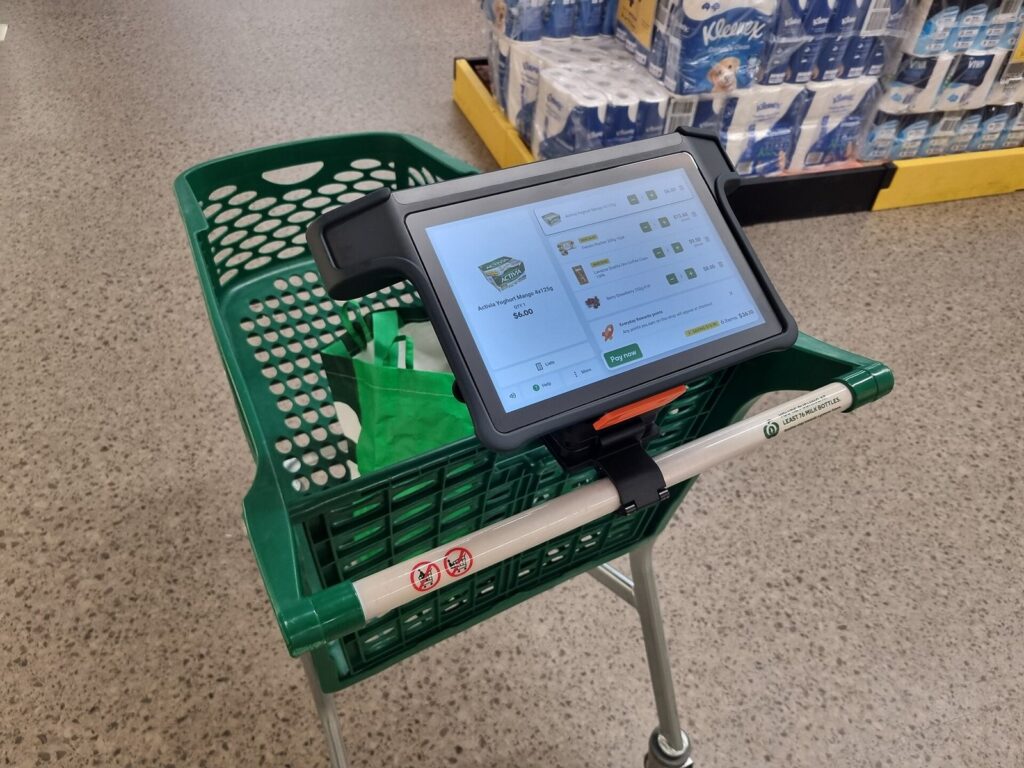
WASHINGTON — American shoppers already worn down by high prices are now uneasy about how those prices get set, as big retailers and restaurant chains lean on electronic shelf tags, pricing software and artificial intelligence.
Many people are used to fares and room rates that shift by the hour. What has struck a nerve is the idea that everyday groceries and household goods could be priced by algorithms shoppers cannot see, fed by personal data they may not know they are handing over. Social media is full of posts asking whether two people can be charged different amounts for the same item.
Retailers say much of the worry rests on misunderstandings. In a company blog post last month, Walmart’s chief executive explained that its digital price tags save staff time and keep prices current, and that they are not used to raise prices based on weather, time of day or a particular customer. Posts claiming the tags scan faces or phones to set individual prices are false.
Industry trackers also push back on the idea that frequent changes only go one way. A web data firm that followed price moves across electronics, clothing and home improvement goods in 2025 found that about half of the U.S. changes it logged were cuts. Retail software makers say grocery chains usually update digital shelf prices on a set schedule, often once a week.
The bigger fight is over personalized pricing, sometimes called surveillance pricing, in which prices or discounts are tailored to a shopper’s location, income or browsing history. No one knows how common it is. Federal Trade Commission staff looked into it after the agency ordered eight companies to explain their pricing methods and any use of shopper data. Their January 2025 report counted 250 or more business customers, among them grocers and apparel chains, for intermediaries that sell price-tailoring tools.
The National Conference of State Legislatures counts at least 30 states where lawmakers took up pricing bills this year. Maryland, New Jersey and Connecticut have passed limits on using personal data to set what shoppers pay, with the first two focused on groceries. California lawmakers have also moved a bill aimed at banning the practice. The FTC has proposed a policy warning that failing to tell customers personal data was used to set an individual price could break consumer protection law.
Courts are weighing related claims. A 2022 case brought by California prosecutors ended with Target paying $5 million and agreeing not to use geofencing to raise prices once shoppers were inside its stores, while saying it did not personalize prices. Consultants have estimated that pricing strategy can lift retail revenue by 2% to 7%.
Section: More Savannah GA business news
Savannah business profiles
Filed under: Savannah GA Business News